

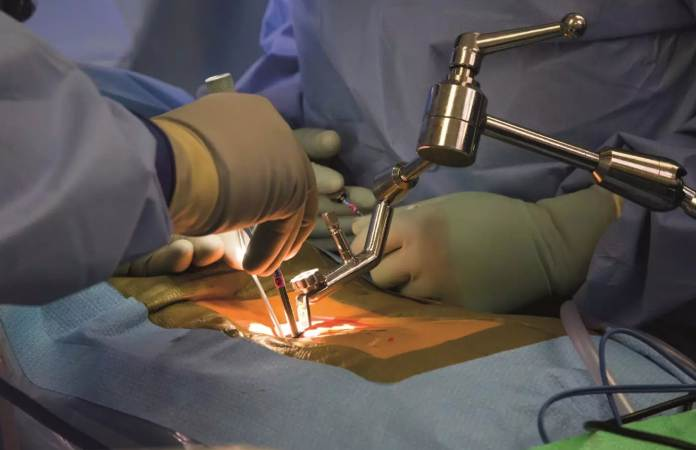
As robotic-assisted techniques become more deeply integrated into spinal surgery, the focus has shifted beyond adoption to sustainability, particularly in how future surgeons are trained. Teaching the next generation of spine specialists to navigate complex robotic systems is essential for ensuring consistent, high-quality outcomes across a growing range of procedures. Dr. Larry Davidson, an experienced specialist in spinal care, recognizes that the future of spine surgery depends not just on advanced technologies but also on equipping surgeons with the skills, adaptability and clinical judgment to use them effectively.
The emergence of robotic-assisted procedures brings exciting opportunities but also demands thoughtful, structured training programs. With the right education and mentorship, upcoming surgeons can master the intersection of traditional surgical knowledge and cutting-edge robotic systems.
The Shift Toward Robotic Proficiency in Surgical Training
For years, surgical training has followed a familiar path; classroom learning, hands-on practice, and gradually increasing responsibility in the operating room. That foundation still holds true, but the rise of robotic technology is adding new levels of complexity to how surgeons learn and work.
Modern training now requires familiarity with robotic platforms, real-time imaging systems, preoperative planning software and intraoperative navigation. Residents and fellows must not only learn how to perform procedures manually but also how to leverage robotics for enhanced precision, stability and consistency.
Academic medical centers and teaching hospitals are increasingly incorporating robotic training into their residency curricula. Simulation labs, cadaver labs and modular training platforms allow young surgeons to develop comfort with robotic systems before entering the operating room.
Simulation-Based Learning: Building Skills in a Risk-Free Environment
Simulation-based learning has become a cornerstone of robotic surgery training. Using virtual reality, 3D modeling and haptic feedback systems, surgical trainees can practice robotic tasks in a safe and controlled environment.
These simulations allow learners to develop muscle memory, spatial awareness and hand-eye coordination, skills that are critical when manipulating robotic arms or navigating intricate spinal anatomy. They also help trainees learn how to respond to system alerts, handle workflow disruptions and manage unexpected intraoperative scenarios.
“Training surgeons to master robotic-assisted procedures means blending traditional skills with cutting-edge technology,” explains Dr. Larry Davidson. “It’s about preparing the next generation not just to perform surgery, but to think critically and adapt quickly as technology evolves, ensuring better outcomes for patients and more confident, capable surgeons.” His insight underscores the vital role of simulation-based training in preparing surgeons to effectively leverage these rapidly evolving technologies and techniques.
The simulation also offers objective metrics, allowing faculty to assess progress, identify areas for improvement and tailor educational interventions. This data-driven approach supports more personalized and efficient skill development.
Mentorship and Structured OR Experience
While simulation is critical, it cannot fully replace real-life surgical exposure. Intraoperative mentorship plays a pivotal role in transitioning trainees from the lab to the OR. Experienced surgeons guide learners through robotic procedures, gradually increasing their responsibilities as skills mature.
Mentorship ensures that residents learn not just the technical aspects of robotics but also the clinical judgment, adaptability and patient-centered decision-making that define expert surgical care. Direct observation and feedback reinforce good habits and prevent the development of unsafe practices.
Structured training pathways, such as robotics fellowships and credentialing programs, help formalize this process, offering defined benchmarks and milestones for independent practice.
Overcoming Barriers to Robotic Training Access
Despite its importance, access to robotic training is not yet universal. Smaller hospitals and institutions with limited budgets may lack the equipment or faculty necessary to support in-depth education. OR time is often prioritized for patient care, leaving limited opportunities for teaching complex robotic cases.
To address these challenges, institutions are exploring collaborative models that share robotic platforms across departments or partner with industry to provide educational grants and training resources. Mobile simulation units, virtual learning platforms and centralized robotic training centers are also expanding access to underserved regions.
Ultimately, making robotic training more accessible can be essential for reducing disparities in surgical quality and ensuring that all patients benefit from technological advancements.
The Role of Continuing Education and Certification
Robotic surgery training does not end with residency or fellowship. As platforms develop, surgeons must commit to lifelong learning to stay proficient. Continuing Medical Education (CME) programs, manufacturer-led workshops and peer-reviewed credentialing pathways help practicing surgeons maintain and refine their skills.
Hospitals are increasingly requiring formal certification before granting robotic surgery privileges. These standards ensure that all surgeons, regardless of experience level, meet the safety and competency benchmarks necessary for high-quality care.
Professional societies also define guidelines and promote best practices for robotic training. By creating a culture of shared learning and continuous improvement, the surgical community can ensure that robotic techniques are used consistently and responsibly.
Preparing for the Future: Interdisciplinary and Data-Driven Education
The next generation of robotic spine surgeons will need more than technical skills; they’ll need to think across disciplines and integrate data into their decision-making. As robotics becomes more intertwined with artificial intelligence, augmented reality and intraoperative analytics, training can reflect this convergence.
Interdisciplinary education that brings together engineers, data scientists and clinicians can be key. Surgeons must understand not just how to use a robotic system but how to interpret the data it provides and adapt accordingly. Educational programs should emphasize collaboration, critical thinking and adaptability alongside technical mastery.
Digital case libraries, AI-assisted planning platforms and outcome-tracking tools can also be incorporated into training, allowing learners to review past surgeries, analyze outcomes and learn from real-world experiences.
Investing in the Future of Robotic Spine Surgery
Training the next generation of surgeons for robotic-assisted procedures is more than a technical challenge; it’s a strategic imperative. As the demand for minimally invasive and precision-based spine surgery grows, so must the pipeline of skilled, confident and forward-thinking surgical professionals.
By investing in robust training programs, simulation technology, mentorship and interdisciplinary learning, the surgical community can ensure that robotics continues to improve outcomes, expand access and advance the field.
With the right foundation, tomorrow’s spine surgeons can be ready to deliver on the full promise of robotic-assisted care, setting new standards in safety, precision and excellence.