

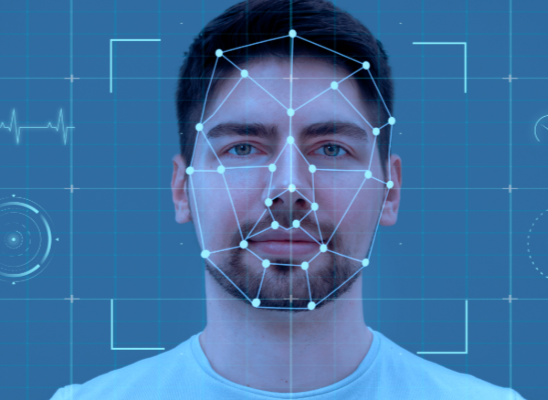
Advancements in artificial intelligence have transformed the way businesses and organizations utilize facial recognition technology. Among these innovations, facial age estimation tools have emerged as a powerful solution that goes beyond identifying individuals. These tools analyze facial age estimation features to estimate a person’s age, providing valuable insights for security, marketing, and safety applications. By leveraging this technology responsibly, organizations can enhance operational efficiency, improve customer experiences, and strengthen safety measures.
Understanding Facial Age Estimation Technology
Facial age estimation relies on complex algorithms and machine learning models trained to recognize patterns associated with aging. These systems evaluate features such as skin texture, facial structure, and wrinkles to predict an individual’s age with a reasonable level of accuracy. Unlike traditional identification methods, age estimation does not necessarily require prior knowledge of a person’s identity, making it versatile for multiple applications.
Modern facial age estimation tools often combine deep learning with image processing techniques. By analyzing large datasets of facial images across different age groups, these systems continuously improve their predictive capabilities. The result is a technology that can quickly provide age insights while adapting to diverse demographics and facial variations.
Enhancing Security Through Age Estimation
One of the most significant applications of facial age estimation is in security. Organizations can use these tools to enforce age-specific regulations, such as restricting access to age-sensitive areas or verifying eligibility for certain services. For example, entry to bars, casinos, or adult entertainment venues can be monitored automatically, reducing the need for manual checks and minimizing human error.
In public safety contexts, facial age estimation assists law enforcement in identifying missing children or vulnerable adults. Age prediction can narrow down searches and help prioritize resources efficiently. In addition, security systems in transportation hubs or high-risk areas can flag individuals who appear to be underage or over a certain threshold, enhancing overall safety measures.
Driving Marketing Strategies and Customer Engagement
Facial age estimation also plays a pivotal role in marketing and customer experience optimization. Businesses can use age insights to tailor promotions, product recommendations, and advertisements to specific demographic groups. For instance, retail stores can adjust digital signage in real-time based on the estimated age of shoppers passing by, creating more personalized and engaging experiences.
Online platforms can benefit from age estimation as well, enabling brands to customize content for target audiences. By understanding the age distribution of users, marketers can refine campaigns, improve conversion rates, and enhance brand loyalty. Unlike surveys or self-reported data, facial age estimation provides a non-intrusive, real-time method of collecting demographic insights.
Supporting Safety and Compliance Measures
Beyond security and marketing, facial age estimation contributes to safety and regulatory compliance. In industrial settings, age verification ensures that young or inexperienced workers do not operate hazardous machinery. Similarly, amusement parks or entertainment venues can implement age-specific restrictions on rides and attractions.
Compliance with digital age verification laws is another critical application. For platforms that provide online content or services restricted to certain age groups, facial age estimation offers an additional layer of verification that reduces fraudulent access while maintaining user convenience.
Ethical Considerations and Accuracy Challenges
While facial age estimation offers numerous advantages, ethical considerations are crucial. Organizations must ensure data privacy, obtain consent where necessary, and prevent misuse of sensitive information. Accuracy can also vary depending on factors such as lighting, facial expressions, ethnicity, and image quality. Therefore, these tools should be used as complementary aids rather than definitive judgments.
Future Prospects and Innovation
The potential of facial age estimation continues to grow with advances in AI and computational imaging. Future developments may include more precise predictions, integration with other biometric technologies, and broader applications in healthcare, urban planning, and personalized services. As the technology matures, organizations can expect to benefit from smarter, safer, and more tailored solutions that respect privacy and ethical standards.
Conclusion
Facial age estimation tools are reshaping how businesses and institutions approach security, marketing, and safety. By accurately predicting age in real-time, these tools provide actionable insights that enhance decision-making, improve customer engagement, and support regulatory compliance. When implemented thoughtfully and responsibly, facial age estimation becomes a versatile and powerful solution with the potential to transform both public and private sector operations.