

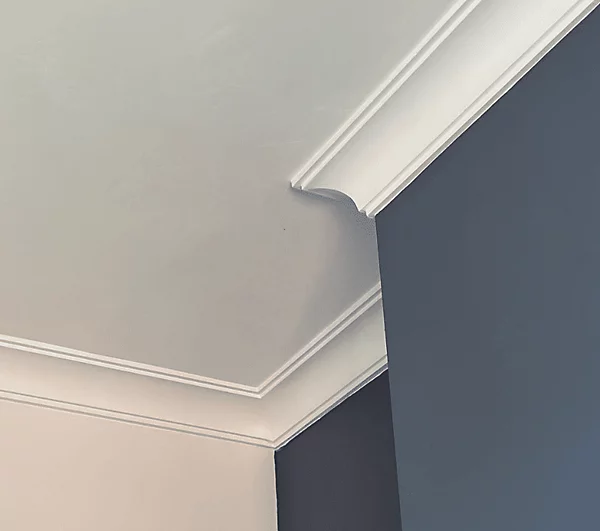
Ceiling coving, also known as crown molding, is making a stylish comeback in home interiors. Once considered a traditional design element, it’s now a trending decor choice for modern and classic spaces alike. Whether you’re renovating an older home or just want to add a touch of sophistication, ceiling coving offers a simple yet impactful way to elevate your interiors.
But why is it gaining popularity, and what can it do for your home? This blog explores the decorative and practical benefits of ceiling coving, supported by the latest trends and examples.
What Is Ceiling Coving?
Ceiling coving refers to a concave or decorative molding that bridges the gap between the walls and the ceiling. Available in a variety of materials like plaster, wood, polyurethane, or polystyrene, it comes in numerous sizes and designs ranging from minimalistic trims to ornate patterns. Historically, coving was used in period homes to conceal uneven joins between walls and ceilings, but today it serves both functional and aesthetic purposes.
Why Is Ceiling Coving Trending?
The resurgence of ceiling coving is part of a broader trend toward incorporating classic architectural elements into contemporary spaces. Here are a few reasons why:
- Versatility in Design
Data from interior design surveys shows that 74% of homeowners are looking for design features that blend modern and traditional aesthetics. Coving strikes the perfect balance, offering elegant touches that complement minimalist, industrial, or vintage styles.
- Instagram-Worthy Interiors
The hashtag #crownmolding boasts over 150,000 posts on Instagram, showcasing its growing influence in the home decor space. Think dramatic lighting highlights, paint contrasts, and intricate designs that add character to ceilings, making them a focal point for social media-worthy homes.
- Affordable Luxury
While originally associated with grand estate homes, coving is now a budget-friendly way to achieve an upscale look. Polystyrene and polyurethane options are particularly affordable, making it accessible for DIY enthusiasts and homeowners on tighter budgets.
- Customizable Features
With advancements in materials and manufacturing, homeowners can choose custom-made coving designs that perfectly align with their desired aesthetic—something that has driven its increased use in bespoke home projects.
Benefits of Ceiling Coving
The popularity of ceiling coving goes beyond aesthetics. Homeowners and designers alike appreciate its practical and design benefits:
1. Enhanced Aesthetics
Coving creates a smooth and stylish transition between the walls and the ceiling, effectively framing the room and drawing the eye upward. This can make ceilings seem taller and spaces feel larger, especially when paired with complementary wall and ceiling colors.
2. Improved Acoustics
Did you know that coving can reduce echo in a room? Many modern homes with open-plan spaces suffer from noise issues due to hard flooring and minimal furniture. Coving absorbs some of the sound, improving overall acoustics—an added bonus for work-from-home setups or home theaters.
3. Conceals Flaws
Homes often have imperfections where walls meet the ceiling, such as cracks or uneven surfaces. Ceiling coving neatly covers these flaws, providing a polished, professional finish.
4. Durable and Low-Maintenance
High-quality coving is incredibly durable and easy to maintain. Materials like polyurethane resist cracks and warping, ensuring that your decorative molding remains flawless over time.
Design Tips for Using Ceiling Coving
Looking to incorporate ceiling coving into your home? Here are some expert tips:
- Keep Proportions in Mind
Larger rooms can handle thicker and more detailed coving, while smaller spaces benefit from slim, understated designs. Overly elaborate molding in small rooms can overwhelm the space.
- Experiment with Paint
Try painting your coving in a contrasting shade to make it pop or keep it the same color as your ceiling for a seamless effect. Rich tones like navy, charcoal, or forest green are particularly trending for creating bold contrasts.
- Integrate with Lighting
Many homes now use coving with recessed LED lighting to create cozy mood lighting. This combination adds a modern twist to this timeless element.
- Use in Unexpected Spaces
Extend coving beyond living and dining spaces. Add it to hallways, bathrooms, or even kitchens for a cohesive, high-end look throughout the home.
Ceiling Coving in Numbers
Still on the fence about installing ceiling coving? Here are some insightful numbers to consider:
- 42% of Homeowners reported that decorative moldings increased the perceived value of their home in a survey by Houzz.
- According to Statista, 85% of new-build homeowners believe that coving enhances the overall appearance of their home.
- Google Trends shows a 33% increase in searches for “ceiling coving ideas” over the past three years.
These statistics highlight the role of ceiling coving in enhancing home interiors and its growing relevance in home improvement projects.
Time to Elevate Your Space
Ceiling coving isn’t just a decorative feature—it’s a design choice that can transform your interiors, blending elegance with functionality. Whether your style leans toward clean, minimalist lines or intricate, ornate patterns, there’s a coving option to suit your tastes.
Looking to start your ceiling coving project? Do your research, explore materials and designs, and take inspiration from trending examples online. A small addition like this can make a big difference in the look and feel of your space.