

Introduction
The demand for faster, more efficient computing continues to grow as organizations handle increasingly complex workloads. From large-scale data processing to advanced simulations and high-performance applications, modern businesses require powerful infrastructure that can deliver exceptional speed and efficiency. NVIDIA Blackwell architecture represents a major advancement in accelerated computing, introducing new capabilities designed to support demanding workloads and next-generation applications.
Built as the successor to previous GPU architectures, Blackwell focuses on improving performance, scalability, energy efficiency, and workload acceleration. Its design enables organizations to process larger workloads while reducing operational challenges associated with traditional computing systems.
What Is NVIDIA Blackwell Architecture?
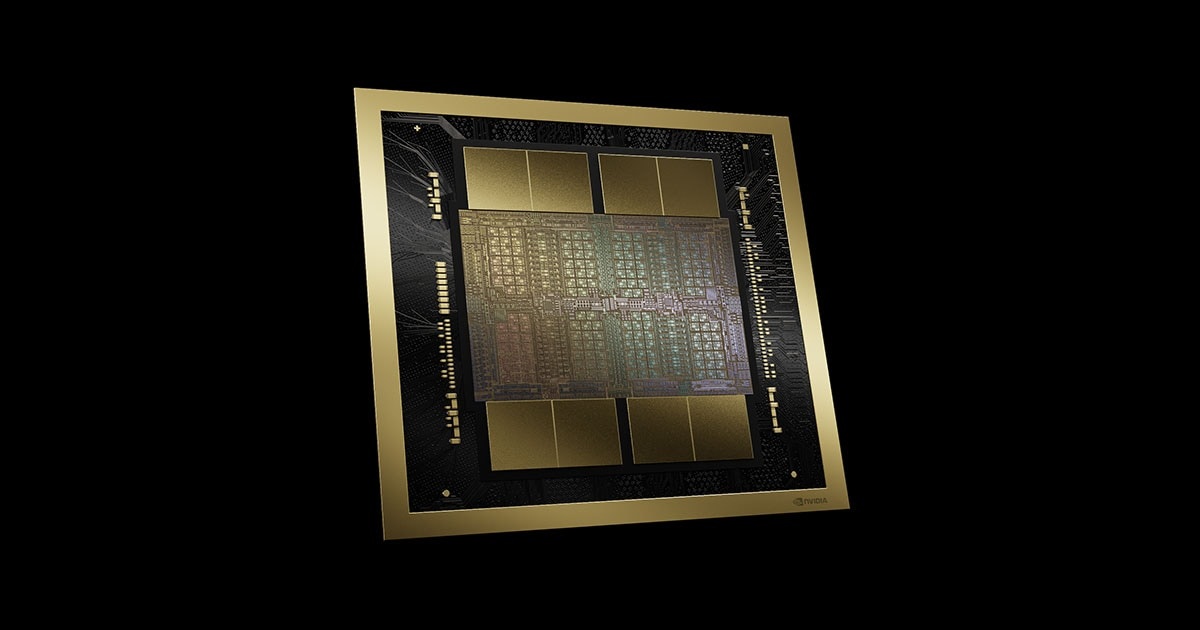
NVIDIA Blackwell is a next-generation GPU architecture designed to deliver enhanced computing capabilities for advanced workloads. It builds upon earlier architectures by introducing improvements in processing performance, memory efficiency, connectivity, and scalability.
The architecture is designed to support organizations that require powerful computing resources for applications such as large-scale data processing, scientific research, enterprise workloads, and advanced computational tasks.
Unlike traditional processors designed for general-purpose computing, Blackwell GPUs are built to accelerate highly demanding workloads by handling large volumes of parallel operations efficiently.
Key Capabilities of NVIDIA Blackwell Architecture
1. Advanced Processing Performance
One of the primary advantages of Blackwell architecture is its ability to deliver significantly improved processing performance. The architecture includes enhanced computing capabilities that allow systems to handle complex workloads more efficiently.
This improvement enables faster execution of demanding applications, helping organizations complete tasks in less time while improving overall productivity.
2. Improved Energy Efficiency
Energy consumption is a major concern for modern data centers and computing environments. Blackwell architecture focuses on delivering higher performance while improving power efficiency.
By optimizing how computing resources are used, organizations can achieve better performance without requiring proportional increases in energy consumption. This can help reduce operational costs and support more sustainable infrastructure strategies.
3. Enhanced Memory Capabilities
Large-scale workloads often require significant memory capacity and fast data access. Blackwell architecture includes improvements designed to support memory-intensive applications.
Better memory performance allows systems to process larger data-sets and manage complex workloads more effectively. This is particularly valuable for organizations working with massive amounts of information and computationally demanding processes.
4. Scalable Multi-GPU Performance
Modern workloads often require multiple GPUs working together to achieve the necessary performance levels. Blackwell architecture supports advanced scalability, allowing organizations to build powerful computing systems that can expand according to their requirements.
This scalability helps businesses and research institutions manage growing workloads without replacing their entire infrastructure.
5. Faster Data Communication
Efficient communication between computing components is essential for high-performance systems. Blackwell architecture includes advanced connectivity features that improve data movement between GPUs and other system components.
Faster communication reduces bottlenecks and helps applications run more efficiently, especially when processing large and complex workloads.
Applications of NVIDIA Blackwell Architecture
NVIDIA Blackwell architecture can support a wide range of industries and use cases, including:
1. Scientific Research:
Researchers can use advanced computing capabilities to perform simulations, analyse complex data-sets, and accelerate discoveries.
2. Enterprise Computing:
Businesses can improve productivity by using powerful infrastructure for demanding workloads and large-scale operations.
Conclusion
As industries continue to rely on powerful computing infrastructure, technologies like Blackwell architecture will play an important role in enabling faster processing, improved efficiency, and the next generation of high-performance applications.